
38 PARTICIPANTS
28 ENTITIES
6 COUNTRIES
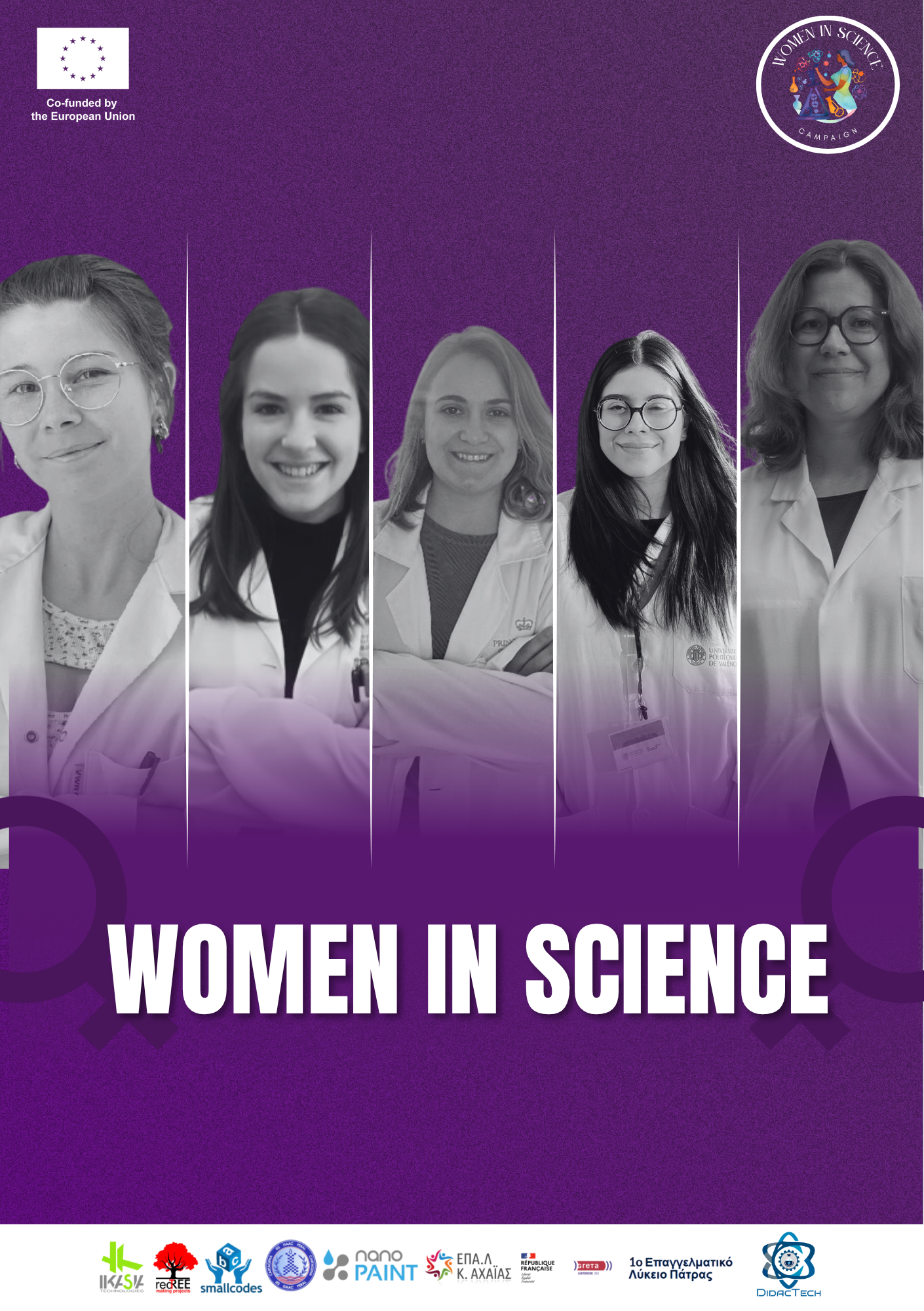
Did you know that today thousands of women lead scientific projects that are changing the world?
We want to inspire high school students to discover the full potential of women in science and technology.
Science needs diversity. The more different views there are, the further we can go. We want you to see science as an open, dynamic space full of opportunities for you.
This campaign focuses on the present, highlighting the key role women play today, leading pioneering research centers, directing and working on research projects that will change the future of Europe and the world.
In addition, the campaign also seeks to make high school students naturally perceive science as a field in which gender diversity is key to progress.
Meet our protagonists
Here you will find the scientists participating in the campaign: their photos, their achievements and their advice for you.
They are proof that science is not a distant dream: it can be your future.
And you, do you dare?
Science needs your curiosity, your creativity and your unique gaze. Maybe the next story that inspires others will be yours.

Sandra Clara Trujillo – Postdoctoral Researcher at the Joint Nanomedicine Unit (a collaboration between the Príncipe Felipe Research Center and the Universitat Politècnica de València – UPV).
I have a PhD in Biotechnology. Currently, thanks to my training in materials chemistry and biology, I am a postdoctoral researcher at the Joint Nanomedicine Unit of the Príncipe Felipe Research Center and the UPV. I work on the development of nanoparticles designed to facilitate the interaction between tumor cells and immune system cells, in order to support new strategies for cancer treatment.
Beyond the lab, I have always sought to keep myself in constant learning. In 2023 I completed a master’s degree in Bioinformatics, expanding my tools to address research challenges. I am especially interested in working in multidisciplinary teams, sharing the day-to-day with people from different scientific profiles. I also dedicate time to teaching and outreach. I collaborate as a teacher in several Degrees and Masters of the UPV and I participate in initiatives such as the program “Cancer researchers: KNOW THEM” of ASEICA, with the aim of bringing science -and those who make it possible- to society.

Natalia Alves – Assistant Professor at University of Minho (Portugal) and Vice-President of the Research Institute on Biomaterials, Biodegradables and Biomimetics (I3Bs) of University of Minho
With a background that includes a BSc in Physics and Chemistry and a PhD in Science and Engineering of Polymers, I have been teaching distinct courses at the university, performing management activities at I3Bs and conducting research on the exciting field of biomaterials. My research work has been focused on the development of several multifunctional systems, namely smart, inspired by nature, bioactive and antibacterial materials that can be used in different applications for example, to regenerate different tissues such as bone or neural tissue, as implant coatings or in controlled drug release.

Natalia García – Senior Researcher in CIBER on Frailty and Healthy Ageing. Lab and Project Manager in the Musculoskeletal Research group in the Hospital del Mar Research Institute. Lecturer Professor in the Department of Genetics, Microbiology and Statistics in the University of Barcelona
My research is centered on aging-related diseases at the cellular and molecular levels, with a primary focus on musculoskeletal disorders. Currently, my work explores premature aging and the comorbidities associated with HIV infection and breast cancer treatments. A key objective of my research is to contribute to strategies that improve patients’ quality of life and promote healthy aging. In parallel, as a Lecturer Professor of Genetics at the University of Barcelona, I have the opportunity to share the knowledge gained through my research and to transmit my enthusiasm for science and discovery.

Lara Milian – Graduate and PhD in Pharmacy. Assistant Professor in the Department of Pathology at the Faculty of Medicine of the University of Valencia.
My work at the University is part teaching and part research. I am a professor of histology at various undergraduate programs at both the University of Valencia and the Polytechnic University of Valencia. In this subject, we teach students about the microscopic characteristics and organization of the different tissues that combine to form organs and systems. This basic knowledge is essential not only for diagnosing pathologies but also for designing tissue-engineered substitutes for organs that are no longer functional due to pathological reasons.
Regarding my research areas, I’m primarily working on two: one is the regeneration of articular cartilage using tissue engineering techniques that combine biomaterials, cells, and various growth factors. The other line of research involves recreating the lung tumor microenvironment by generating spheroids from tumor and stromal cells, with the goal of establishing pharmacological models that allow for personalized drug effectiveness testing.

Júlia – Plà Predoctoral researcher at the Center for Biomaterials and Tissue Engineering
My work focuses on the development of a 3D model of lung cancer focused on the study of drug resistance, a key aspect to improve the efficiency of treatments. I first completed a Biotechnology degree, and then a master’s degree that allowed me to access a research career. I am currently in my second year of my doctoral thesis, thanks to a pre-doctoral grant from the State Research Agency, working on a project that I am really passionate about.

Inma García – Predoctoral Researcher at the Center of Biomaterials and Tissue Engineering of the UPV
I’ve always wanted my work to make a difference, which is why I chose Biomedical Engineering and why I’m now finishing my PhD. I research Multiple Myeloma, a type of plasma cell cancer. We develop different lab platforms that mimic how the disease behaves in the body so others can use them to search for new treatments.
The knowledge is not only inside the lab. Beyond it, I enjoyed traveling to meet other researchers, helping organise several scientific meetings, and sharing science with younger generations. I’m passionate about research, and I believe it should always go hand in hand with creativity, collaboration, and having fun along the way!

Clara Plazas – Pharmaceutical Chemist and professor in the Department of Pharmacy at the National University of Colombia
II am Pharmaceutical Chemist and have worked as a professor in the Department of Pharmacy at the National University of Colombia for over 30 years. So, I have had the opportunity to participate in the training of several generations of Pharmaceutical Chemists, whom I have seen fulfill their dreams and achieve great things. My areas of expertise are Analytics and Quality Control, as well as Quality Assurance in the pharmaceutical field. My undergraduate training led me to pursue a doctorate in Materials Engineering, Science, and Technology; since, in any area of the pharmaceutical industry, materials are the starting point for quality products. This postgraduate training allowed me to gain insight into the field of biomaterials, which are useful in developing medical devices with wide application for current and future research aimed at solving health problems facing the world’s population.

Nadia García – Predoctoral researcher at the Center for Biomaterials and Tissue Engineering of the UPV
My work focuses on developing biomaterials for research into multiple myeloma, a type of blood cancer that develops in the marrow inside the bones. After studying biotechnology I decided to do master’s degree to become a researcher. When I finished, I received a scholarship from the Spanish Association Against Cancer to pursue my doctorate. I am now finishing my second year and fortunate to to say I am working on something I love.

Carme Julià – Graduate in Mathematics, PhD in Computer Science, Associate Professor in the Department of Computer Engineering and Mathematics at the Rovira i Virgili University, member of the ASCLEPIUS (Smart Technology for Smart Healthcare) research group, and President of the La Nineta dels Ulls Foundation.
Her research focuses on computer vision, machine learning, artificial intelligence, and deep learning. She is currently working on a mobile app for the early detection of childhood eye diseases.
Furthermore, her training allows her to stay up-to-date on research into retinoblastoma (the most common eye cancer in children under 6 years of age) and to volunteer with the La Nineta dels Ulls Foundation, of which she is President.

Gloria Gallego-Ferrer – Full Professor and Principal Investigator at the Centre for Biomaterials and Tissue Engineering (CBIT) of the Universitat Politècnica de València (UPV) and Group Leader of the Spanish Center for Biomedical Research in Network in Bioengineering, Biomaterials and Nanomedicine (Ciber-BBN)
I graduated in Industrial Engineering from the UPV in 1997, after completing a two-month Erasmus placement at the National Technical University of Athens (Greece). In 2001, I obtained my PhD in Industrial Engineering from the UPV (European Mention, excellent cum laude) on the development of new families of hydrogels as biocompatible coatings for tendon prostheses. Since then, I have been a group leader at the CBIT, where I have explored the use of biomaterials for tissue engineering in various applications: articular cartilage, bone, liver, etc. My postdoctoral fellowships were at the University of Zagreb (Croatia) in 2004 and at the 3Bs Research Group at the University of Minho (Portugal) in 2009. The award I remember as the most exciting was the Massachusetts Institute of Technology (MIT) Accelerating Program in Boston in 2016, were we learned translational strategies for a product with application in articular cartilage regeneration. Furthermore, serving as a Governor of the Board of the European Society for Artificial Organs from 2016 until 2022 broadened my mind and allowed me to expand my network of collaborators. My most satisfying daily experiences include collaborating with complementary multidisciplinary researchers, constantly seeking new ideas to advance our research, and mentoring young researchers.

Ana Catarina Lima – Postdoctoral researcher at the Center for Physics and Astronomy, Faculty of Sciences, University of Porto & CEO of a technology company
My current work explores the experimental properties of spin valve structures within the field of magnetoelectric spintronics. With a background that spans a degree in Physics, a Master’s in Biophysics, and a PhD in Materials Engineering, my path has taken me through medical physics and into the world of smart materials and printed electronics. Beyond the lab, I’m the CEO of a software company — a space where I bring my passion for innovation and entrepreneurship to life. I’m also the author of a children’s book designed to spark curiosity and love for science in young minds. I believe that inspiring the next generation is just as powerful as the research we do today.

Clarisse Ribeiro – Assistant Researcher at the Centre of Physics, University of Minho
My work focuses on developing smart multifunctional materials responsive to electromagnetic fields for advanced health applications. I investigate how these active systems can drive tissue regeneration, cancer therapy, antimicrobial strategies, and wearable healthcare technologies. With a background in Biomedical Engineering and a PhD in Physics, my career has flourished at the intersection of physics, materials science, and biomedical engineering, always guided by the mission of translating fundamental discoveries into tangible benefits for society.
Science has taught me that curiosity and resilience are the true engines of progress. My advice to young women is to pursue their questions with courage, even when the path is non-linear or uncertain. The future of science depends on diversity and creativity, and every new perspective carries the power to transform the world.

Roser Sabater – Professor in the Department of Electrical Engineering and researcher at the Center for Biomaterials and Engineering at the Polytechnic University of Valencia, she holds a PhD in Industrial Engineering from the UPV.
She combines university teaching with his research in the development of new materials for applications in regenerative medicine. Her work focuses on finding technological solutions that improve human health through a multidisciplinary approach that integrates engineering and biology.
She believes in the transformative power of science. Aware of the challenges women still face in technical disciplines, she advocates for the need to foster scientific vocations among young women. She is convinced that diversity drives progress and allows for the exploration of new ways of understanding and solving technological challenges.

María Abellán – PhD and researcher in behavioral neurobiology
I’ve always been interested in why we feel the way we feel or why we behave in certain ways. In my research, I study how the brain works and what happens when people (or animals) experience stress, are caring for their young, or are in pain.
I’ve worked with mice and other animal species to understand how the brain changes during important milestones like motherhood. I’m currently involved in two scientific projects: one on how what we experience as children affects how we feel and relate to others, and another on how sociability develops in different species over time.
My goal is to understand how the brain works and how certain social behaviors are regulated.

Laura Teruel – PhD and Senior Technician at the Center for Biomaterials and Tissue Engineering of the UPV
I studied Chemical Engineering and did my PhD at the UPV. After finishing my PhD I started working as a technician at the Biomaterials Center. My work focuses on the management of the laboratories of the center, which includes maintenance, calibration and explanation of the operation of laboratory equipment, waste management acting as environmental interlocutor, and technical assistance in the working procedures of the different lines of R+D+i of the center. The most rewarding part of my job is being able to contribute to the proper functioning of the laboratories and to solve the problems that arise daily in the activities developed in the different lines of research.

Alejandra Lagos – Predoctoral in food science, technology and management
I studied a Bachelor’s degree in Human Nutrition at the National Autonomous University of Honduras and a Master’s degree in Food Science and Engineering from the Universitat Politècnica de València.. I am currently pursuing a Ph.D. in Food Science, Technology, and Management.
I am working in food quality and innovation, specifically in the Food Photonics Lab using non-destructive sensors that employ impedance measurements to assess the quality of fish, such as tuna.

Orianna Reyes – Chemical engineer, graduated from the Metropolitan University of Venezuela
Specialized in food processing with a Master’s degree in Food Science and Engineering from the Polytechnic University of Valencia. I work in food development using 3D printing at Ikasia Technologies SL, from formulation to cooking, applying my experience in innovation and process control to explain a technology that is redefining how food is designed and produced.

Giorgia Frutaz – PhD in science, technology
I hold a degree in food science and technology, with a master’s degree in food science and engineering. I am currently a PhD candidate in food science, technology, and management, developing controlled-release systems for bioactive compounds and studying their digestion through dielectric properties measurements.

Christina Sinopoulou – Assistant Manager at the 1st Laboratory Center of Patras for Technical and Vocational Secondary Education of the Prefecture of Achaia, Greece.
I graduated from the Department of Electrical and Computer Engineering at the University of Patras and have been teaching in Technical and Vocational Education for 20 years. I hold an Integrated Master’s degree from my department, as
well as an additional Master’s degree in Educational Sciences.
My experience in recent years as an executive in this field has taught me effective ways of educating students, and I always seek the best opportunities for my students—whether in the professional sector or at the educational level—through
the continuous pursuit of opportunities at the European and international level.

ALLISSON SAITER-FOURCIN – Full Professor and head of the DSP (Disordered Systems and Polymers) department.University of Normandy, Rouen, France
After a PhD thesis in Materials Physics obtained at the University of Rouen in 2002, I was appointed assistant professor at this University in 2003. I obtained my Accreditation to Drive Research in 2012 and my position as Full Professor at the University of Rouen in 2017. I carry out my research activity within the GPM, UMR CNRS 6634, and I am head of the DSP (Disordered Systems and Polymers) department.
Since 20 years, my research activities have focused on the study and understanding of relaxation phenomena in polymers (and glass-forming liquids in general), and their evolution as a function of time (or frequency) and of the temperature. The calorimetry analysis is a key tool in my research activity.

Arantxa Martínez – Doctora en Biotecnología e Investigadora Posdoctoral en el Centro de Biomateriales e Ingeniería Tisular de la UPV
I have always been interested in helping improve people’s health from the laboratory, and this vocation has guided me throughout my scientific career. I hold a PhD in Biotechnology and currently work as a Postdoctoral Researcher at the Center for Biomaterials and Tissue Engineering at the UPV, where I am involved in a project that seeks to develop new 3D liver models using printable hydrogels made with a decellularized matrix, thus contributing to the advancement of organ modeling.
Without a doubt, my favorite part of research is being able to share our work with society, and that’s why I always actively participate in outreach and student training activities, such as the dissemination days and workshops organized by the UPV, like the European Researchers’ Night or the Invention Fair.

Elena Carvalho – Researcher. Centre/Department of Physics, University of Minho
At the intersection of biology, physics, and materials science, my research explores how electroactive, stimuli-responsive materials can be engineered to influence bacterial behavior at surfaces. By combining functional materials with surface engineering, I aim to develop approaches that help reduce bacterial colonization and hinder early biofilm formation. Ultimately, my goal is to translate advanced materials into safer environments and next-generation antimicrobial strategies that support efforts to tackle antimicrobial resistance.

Sandra Igual – Predoctoral researcher at the Center for Biomaterials and Tissue Engineering of the UPV
My work focuses on developing biomaterials to create an in vitro liver model that mimics non-alcoholic fatty liver disease. This model can be used to better understand the disease and to test new potential drugs in a controlled laboratory setting.
After studying Biochemistry and Biomedical Sciences, I realized that I was especially interested in tissue engineering, so I decided to pursue a master’s degree in this field. Later, I had the opportunity to work as a technician at the Center for Biomaterials and Tissue Engineering, where I continued learning and growing as a researcher. Thanks to an FPU fellowship from the Spanish Ministry of Education, I am now pursuing my PhD and have just started my second year.
I have always been interested in research and imagined myself working in a laboratory. Today, I am proud to say that I have achieved that goal and feel very happy doing what I love.

Laura Pires Louçã – Predoctoral researcher at the Centre for Minimally Invasive Surgery Jesús Usón
My work focuses on experimental surgery and microsurgery in a preclinical research setting. At the Centre for Minimally Invasive Surgery Jesús Usón (Cáceres, Spain), I am part of the Microsurgery Unit and collaborate on projects that combine surgical innovation, animal models and advanced technologies, including robotic microsurgery.
With a background in Veterinary Medicine, I work in the operating room contributing to the development of experimental models that help improve surgical techniques. Through this work, I support the centre’s mission of promoting research and innovation aimed at making surgery safer, more precise and less invasive.

Estela Sánchez – Researcher. Centre for Biomaterials and Tissue Engineering (CBIT-UPV) and the Health Research Institute of La Fe (IISLAFE)
My research focuses on designing 3D models based on hepatic cell culture in hydrogels for studying drug-induced liver injury (DILI). I am a biotechnologist with a Master’s in R&D in Biotechnology and Biomedicine. I received a grant from the Valencian Government to start the PhD in 2021 and now I am in my last year. I carried out a 4-month predoctoral stay abroad at the University of Glasgow (Glasgow, United Kingdom). What I enjoy most is disseminating my scientific work at conferences where I can share and talk with other researchers. I am excited to plan my next steps—likely moving abroad for a few years to continue advancing in science and research.

María Mercedes Santos García – Bachelor’s degree in Chemistry, PhD thesis in Advanced Organic Chemistry, Professor in the Department of Organic Chemistry at the University of Valladolid, member of the BIOFORGE research group at the University of Valladolid
My lines of research focus on the applications of biopolymers such as elastin-like recombinamers (ELRs) in biomedicine. We are currently developing ELR-based hydrogels, cross-linked by “Click Chemistry,” as tissue analogues or as controlled drug delivery systems for application in regenerative medicine. Specifically, we are developing artificial skin dressings that allow the healing and regeneration of chronic ulcers in patients with diabetes.
Being a researcher is one of the professions that requires the most dedication, but in return, working in the field of biomedicine provides great personal satisfaction after achieving small successes

Monica Soncini – Associate Professor of bioengineering at the Department of Electronics Information and Biengineering of the Politecnico di Milano
My work focuses on developing bioreactors and microphysiological systems to enable reliable physiological and pathological in vitro biological models finding out new strategies to reduce the use of animal models in drugs and clinical treatments evaluation.
After my PhD in Bioengineering, I carried out my carrier as professor of Cellular Bioengineering and researcher at POLIMI, where I focused my efforts on the development of culture system aimed at investigating cellular response to environmental stimuli. I’m Director of the Advanced Technologies for Tissue Culture Laboratory (ATTiC Lab) at POLIMI and coordinator of the CARDIO-TECH Lab of the Joint Research Center between PoliMi and Centro Cardiologico Monzino. I’m co-inventor of 5 patents, two of which granted, and co-founder of True Tissue on Platform (TToP) Technology, a biotech spin-off of POLIMI.

Amparo Sempere Talens – Attending physician in the Hematology Service of the La Fe University and Polytechnic Hospital in Valencia, and I carry out my clinical work in the Flow Cytometry Laboratory of the Hematological Diagnostic Unit (UDHEM).
My clinical work focuses on hematological diagnostics using flow cytometry, specifically the study of hematological diseases, particularly neoplastic ones. This includes immunophenotypic analysis, clinicopathological correlation, supervision of diagnostic protocols, and resident training. I am currently the president of the Spanish Hematological Flow Cytometry Group (GECFH) of the Spanish Society of Hematology and Hemotherapy (SEHH), which has allowed me to establish close connections with other national public centers working in this field of diagnosis.
I hold a PhD in Medicine and Surgery from the University of Valencia and am a member of the Accredited Hematology Research Group at the La Fe Health Research Institute, where I conduct research, participating in numerous clinical and translational research projects. The hospital’s university affiliation has facilitated my teaching work as a student tutor, supervising doctoral theses, Master’s theses, and Bachelor’s theses.

Ana Vallés – Full Professor at the Department of Applied Thermodynamics of the School of Industrial Engineering and member of the Center for Biomaterials and Tissue Engineering at the Universitat Politècnica de València (Spain)
My research focuses on biomaterials and tissue engineering, especially on the design of materials with controlled chemistry and microporous structures adapted to different applications. I work on understanding their properties and how they interact with biological systems.
In recent years, I have also been deeply involved in projects on teaching for quality learning. I am particularly interested in promoting student engagement through participation, knowledge integration and transfer, and by addressing the emotional aspects of learning.
I believe that science is not only about developing new materials or technologies, but also about inspiring curiosity, teamwork, and confidence in the next generation of students.

Elena Amaro – PhD in Biotechnology. Postdoctoral researcher at the UPV’s Center for Biomaterials and Tissue Engineering.
I studied a degree in Biotechnology at the University of Salamanca and a Master’s degree in Biomedical Biotechnology at the UPV. I completed my doctoral thesis at the La Fe Health Research Institute, investigating the therapeutic role of extracellular vesicles of mesenchymal stromal cells in acute myocardial infarction. I am currently working as a postdoctoral researcher at the Center for Biomaterials and Tissue Engineering at the UPV. My current work focuses on developing biomaterials for making 3D in vitro liver models, which allow for more realistic studies that closely resemble what occurs in the human body.

Daniela Encalada – Master’s student in Biomedical Biotechnology and researcher at the Center for Biomaterials and Tissue Engineering (CBIT) at the UPV.
My work focuses on the manufacture and characterization of microspheres to simulate the cellular microenvironment and study drug resistance in cancer, specifically myeloma, through 3D culture systems. My career path has been somewhat diverse. After beginning my medical studies in Ecuador, I decided to switch to biotechnology in Portugal to pursue my passion for research and innovation. I am now finishing my master’s degree in Spain, working on my final thesis at CBIT. I am a trilingual student who loves being part of international projects that integrate science and technology to create a direct impact on society. I am sure that my younger self would be very proud that we are following our dreams and achieving them.

Theodora Sakellaropoulou – Director of Medical Biopathology at the Microbiology Laboratory of Pyrgos Hospital
“In the laboratory, we analyze blood, urine, and other body fluids and cultivate microbes, which we view under a microscope. It’s more difficult for a woman to balance work with family and children, since even in the most progressive societies, raising the children falls on her. This is even more so when she is a scientist, in a position of responsibility, who is often forced to work harder, attend conferences, and travel for work. She is also often ignored by male colleagues, but also by third parties who consider her second-class, simply because she is a woman. It is more difficult for her to assert herself over her subordinates. The lower the socioeconomic level of the population, the greater the reserve for scientific training for women. Science is very important for men and women; it is the discovery of how our world works. The path of acquiring this knowledge is very interesting and makes us smarter.
A woman can excel in her field if that’s what interests. In fact, women scientists are often more effective and efficient than men, as they can multitask, are studious, possess instinct, and a strong point of view. Personally, I trust them completely.”

Juliana Oliveira – Founder & CEO of Nanopaint
Juliana Oliveira’s journey into science began with a simple but powerful drive: understanding how things work — and how they can work better. With a background in physics and engineering, she was drawn early on to the invisible world of materials, where small-scale innovations can unlock large-scale impact.
That curiosity led her to co-found Nanopaint, with a clear ambition: to bring intelligence into materials themselves, rethinking how sensors, functional inks and printed electronics can be seamlessly integrated into the world around us.
Throughout her path, Juliana has worked at the intersection of research and application, leading the development of nanomaterial-based technologies such as piezoresistive inks for structural health monitoring. Her work enables structures to “feel”, “respond” and communicate — opening new possibilities across industries from defense and automotive to sports and healthcare.
As CEO, she leads Nanopaint’s global vision, growth and partnerships, with a strong commitment to ensuring that scientific knowledge does not remain confined to the lab, but evolves into solutions that improve how we build, move and live.
As a woman in science and entrepreneurship, Juliana is part of a generation redefining what leadership in deep tech looks like — combining technical depth with purpose, and innovation with impact. Her story is not only about advancing materials, but about expanding possibilities: for technology, for industry, and for the next generation of women who see science as a place where they belong.
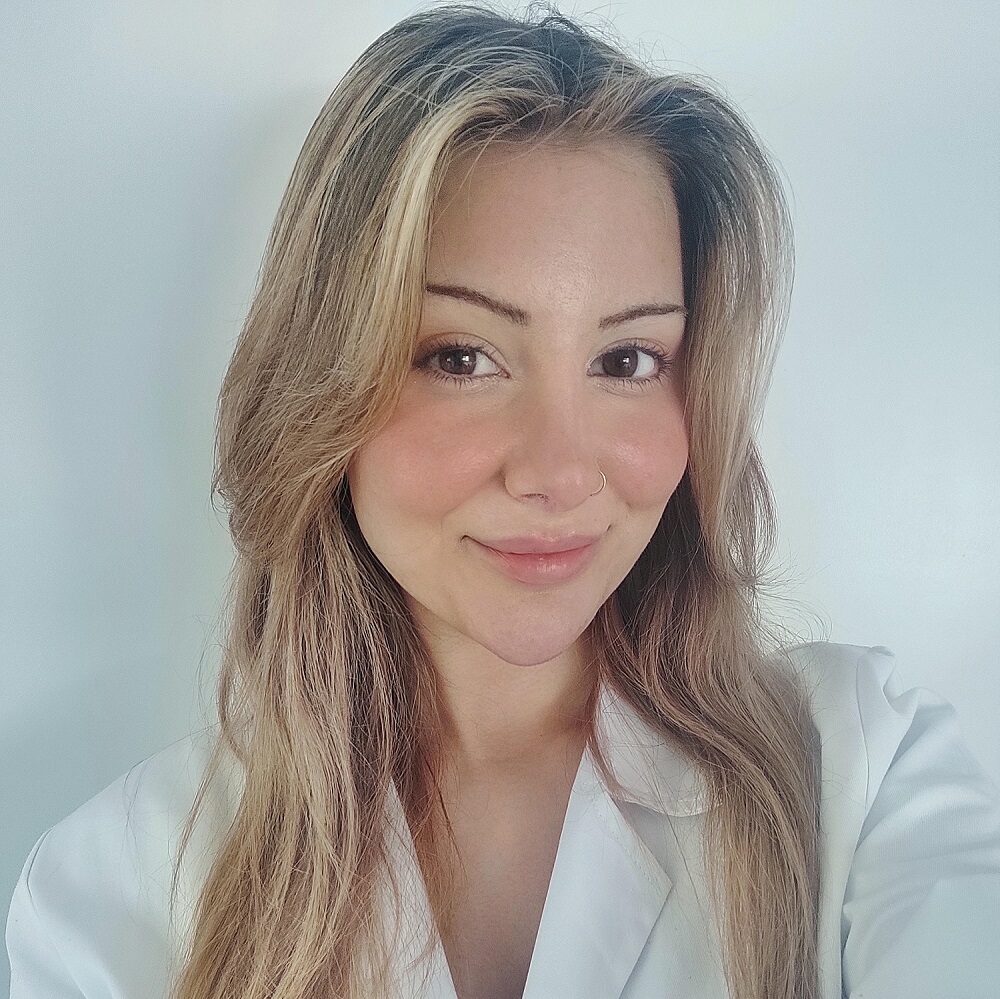
Carla Piu – Master’s degree student in Medical Biotechnology at the University of Sassari, currently conducting my Erasmus traineeship at the Center for Biomaterials and Tissue Engineering of the UPV
The study I am involved in focuses on the development of hollow microcapsules for controlled drug delivery applications. These systems are designed to encapsulate therapeutic agents and release them in a controlled and targeted manner, with the aim of improving treatment efficacy while reducing side effects. During my academic path I developed a strong interest in biomaterials and regenerative medicine, which motivated me to pursue this experience abroad at the UPV. I would like to continue working in this field as I consider it a promising area that is likely to play a central role in the future of biomedical applications
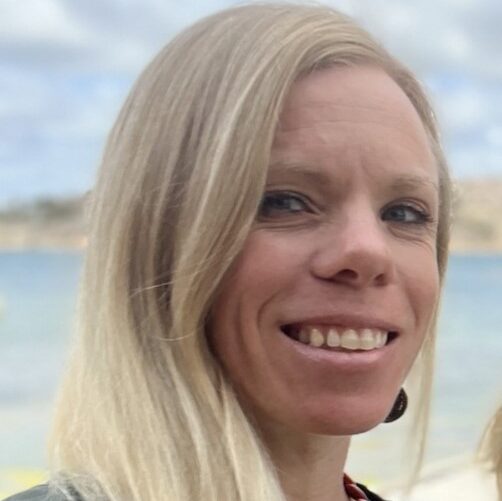
Line Vikingsson – Senior Regulatory and Quality consultant, Medical Devices
I hold a PhD in Biomaterials from the Polytechnic University of Valencia, and a Master of Science in Biotechnology from the University of Lund in Sweden. Following my doctoral studies, I´ve worked at a company specializing in the manufacture of thin nanocoating’s for osteointegration and currently serve as a consultant at an international pharmaceutical firm preparing for launch its first standalone medical device. I specialize in clinical and biological evaluation of medical devices, supporting companies in compiling technical documentation to meet regulatory requirements. My work is diverse and aligns closely with both my academic background and personal interests. Outside of my professional life, I´m a proud mother of a son, and love spending time outdoors with him and I´m also a passionate rock climber.
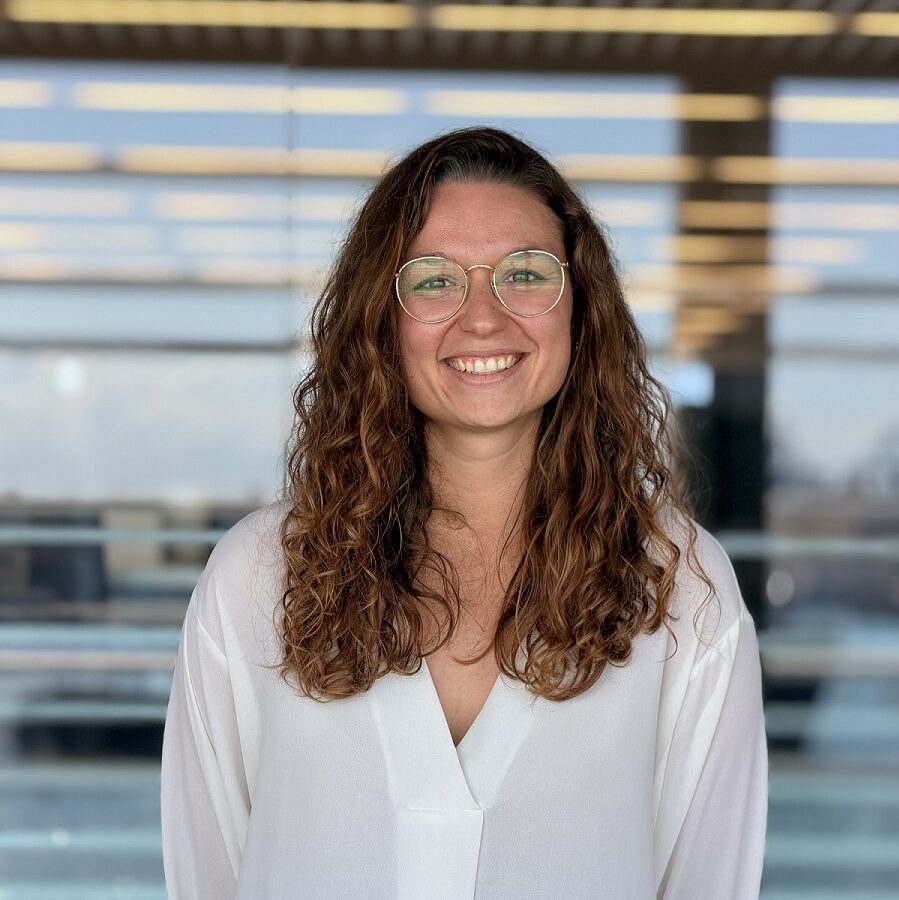
Maria Guillot – Scientific Writer at Simbionte and PhD in Biotechnology
My current work focuses on helping biotech companies gain visibility online and generate business opportunities. I work at Simbionte, a marketing agency specialized in the life science sector, where I plan and develop materials that translate complex scientific concepts into clear, compelling messages.
Previously, I did my PhD in Biotechnology at the Polytechnic University of Valencia, where I researched new ways to help bones regenerate. During that time, I realized that what I loved most was talking about science, explaining it. I decided to follow that passion and it led me to my actual career in scientific marketing.
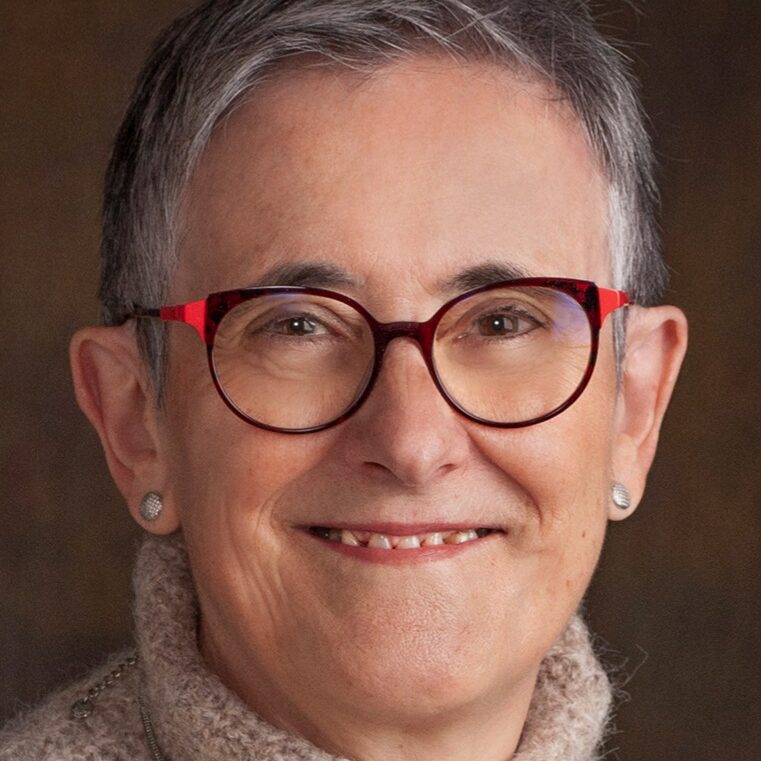
Mª Luisa González Martín – Full Professor of Applied Physics at the Universidad de Extremadura
My research focuses on the development of biodegradable materials and functional surfaces for biomedical applications. Throughout my career, I have worked on understanding how surface properties influence biological responses, including bacterial adhesion, biofilm formation and tissue integration.
I studied Physics and later specialized in Applied Physics and Biomaterials, eventually becoming Full Professor of Applied Physics at the Universidad de Extremadura. Over the years, I have led numerous research projects focused on biomaterials, antibacterial surfaces and biodegradable systems for healthcare applications. More recently, my research has also expanded into sustainable and functional bioplastics, exploring innovative strategies that connect materials science with environmental challenges: I strongly believe that research should not only generate knowledge, but also improve all aspects of people’s quality of life.
I have dedicated more than 40 years of my life to science, and it still fascinates and inspires me every day. Beyond research, I am passionate about mentoring young scientists and contributing to the social recognition of women as researchers and scientific leaders, especially for future generations of girls and boys.
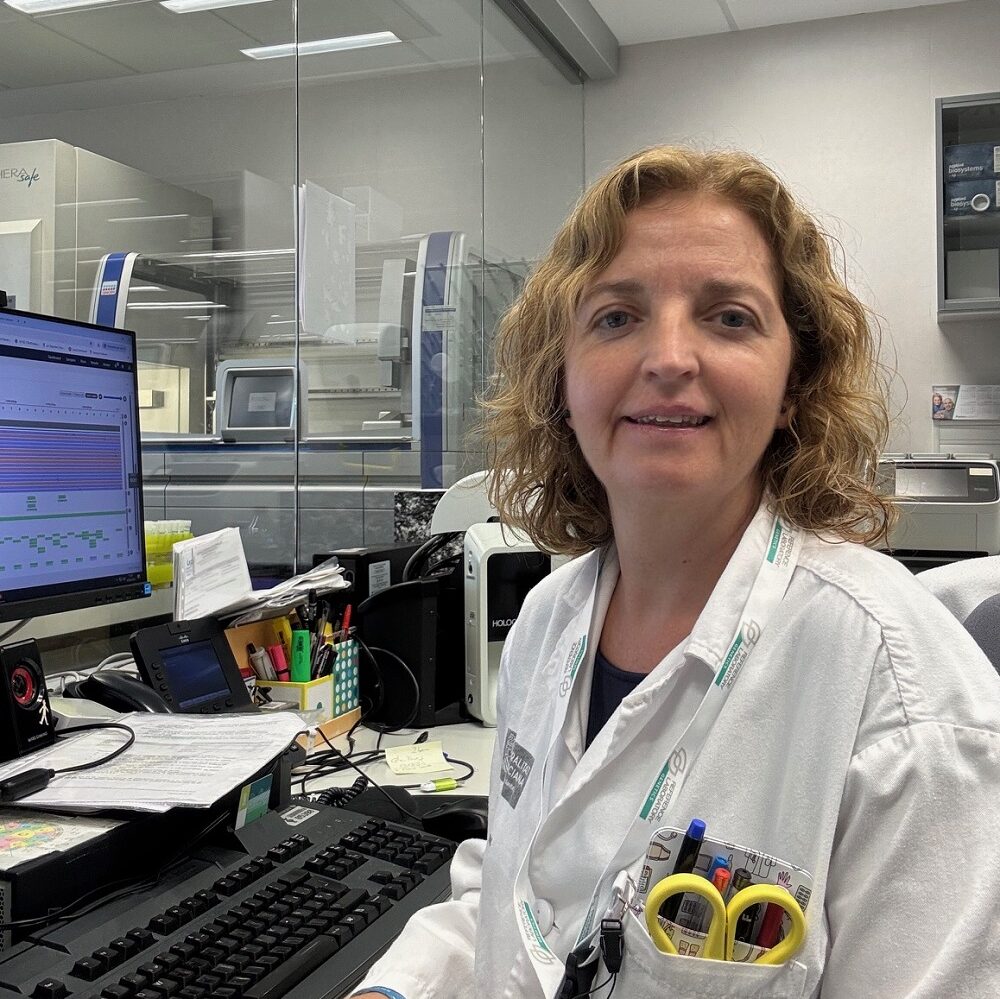
Lara Navarro – Molecular Biologist at the Pathology Department of the University General Hospital Consortium of Valencia
My work focuses on molecular pathology applied to cancer diagnosis, specifically the molecular analysis of tumor samples for genomic characterization of patients and the preparation of reports for clinical oncologists. My work contributes to integrating molecular information into pathology diagnosis, facilitating the identification of relevant biomarkers and supporting therapeutic decision-making in precision medicine. I am responsible for the molecular techniques performed in the Pathology Department, as well as for quality assurance and control of procedures, with the aim of guaranteeing reliable, reproducible, and clinically useful results. This work is part of the Department’s commitment to excellence, recognized with the GOLD Award for Good Practices from the National Health System in the 2025–2026 call for proposals. My career combines molecular diagnostics, translational research, and continuous improvement. I received the Alberto Rábano Doctoral Thesis Award, a particularly prestigious recognition in the field of neuropathology and biomedical research. Currently, I continue my research on tumors of the central nervous system. From this perspective, my work reflects the essential role of molecular biology in transforming cancer diagnosis and advancing towards increasingly precise and personalized medicine.